
1-805-484-2992
Quotes - Sales - EngineeringCompressed Air Cooling Applications
Thermal Management for Compressed Air Systems
Compressed air systems generate significant heat during compression, which must be removed to protect equipment, reduce moisture, and maintain air quality. Dedicated cooling solutions stabilize operating temperatures and support reliable downstream performance.
Aftercooling & Intercooling
Aftercoolers and intercoolers reduce discharge air temperature following compression stages. Lowering air temperature increases air density, improves moisture separation, and reduces stress on dryers, filters, and piping systems.
Air-cooled and liquid-cooled designs provide flexible integration for both stationary and mobile compressor installations. These systems are engineered for continuous duty under fluctuating load and ambient conditions.
Industrial & Process Air Support
Compressed air cooling systems are used in manufacturing plants, pneumatic conveying, packaging, power generation, and process industries. Effective cooling improves compressor efficiency while extending component life.
Robust construction and optimized heat exchanger designs ensure dependable operation in demanding industrial environments.
Temperature Control & System Reliability
Maintaining controlled air and oil temperatures reduces wear, prevents overheating, and minimizes unplanned downtime. Proper cooling also supports consistent air quality for sensitive downstream applications.

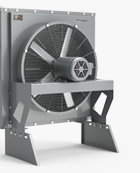
ACA Series
Air-Cooled Aftercoolers
- Cool Compressed Air
- Remove Moisture
- Low-maintenance Design
ABR Series
Water Cooled Aftercoolers
- High-Capacity Cooling
- Low Pressure Drop
- Continuous Duty

Common FAQs
Cooling removes excess heat generated during compression, improving air quality, reducing moisture, and protecting downstream equipment from thermal stress.
Aftercooling reduces compressed air temperature, while oil cooling controls the temperature of compressor lubrication oil. Both are critical for efficient and reliable compressor operation.